Introduction: AI Automation is a Business Model, Not a Tool
Most people think AI automation is just about generating content or writing scripts.
But in reality, AI automation is a complete business infrastructure model.
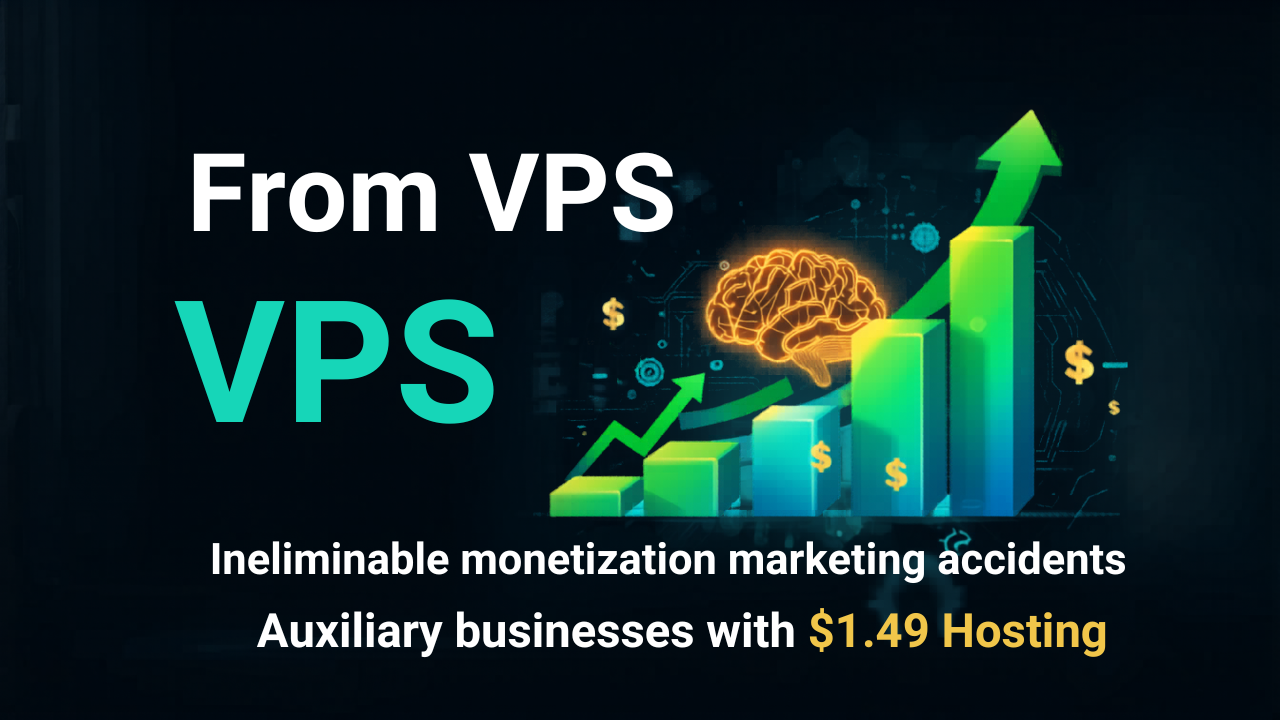
When combined with a cheap VPS, especially a $1.49/month RakSmart Hosting server, it becomes possible to build scalable systems that generate recurring revenue.
This is where automation moves from “experiment” to “business”.
1. The Core Idea: Automation = Digital Workforce
Think of AI automation as employees:
- AI writer → content creator
- AI analyzer → data analyst
- AI marketer → growth assistant
- VPS → office building
Your VPS is the workspace where everything runs 24/7.
Unlike humans:
- No breaks
- No salary increase
- No downtime (if configured correctly)
2. Building a Scalable AI Automation Business Model
There are three layers:
Layer 1: Infrastructure (VPS)
- Runs scripts
- Hosts applications
- Executes automation jobs
Layer 2: Intelligence (AI APIs)
- Generates outputs
- Processes data
- Makes decisions
Layer 3: Monetization (Revenue Systems)
- Ads
- Subscriptions
- Affiliate marketing
- SaaS tools
3. Scalable System #1: AI Content Network
This is one of the most powerful business models.
Structure:
- 1 VPS runs multiple content bots
- Each bot manages a niche site
- AI generates articles automatically
- Content is published daily
Example niches:
- Tech reviews
- Hosting comparisons
- AI tools blogs
- Finance tips
- SaaS guides
Revenue:
- Ad revenue (display ads)
- Affiliate commissions
- Sponsored posts
Scaling is simple:
- 1 VPS → 5 sites
- 2 VPS → 10 sites
- 10 VPS → network empire
4. Scalable System #2: AI Marketing Agency Automation
You can turn automation into a service.
What you offer:
- Automated content creation
- SEO blog generation
- Social media posting
- Lead generation systems
How VPS helps:
- Runs client automation scripts
- Stores content pipelines
- Hosts dashboards
Monetization:
- Monthly retainers ($50–$500/client)
- Setup fees
- Automation subscriptions
5. Scalable System #3: AI SaaS Micro-Tools
This is where real scalability happens.
Examples:
- AI blog generator
- AI resume writer
- AI product description tool
- AI SEO analyzer
VPS role:
- Runs backend logic
- Handles API requests
- Stores user data
Even a small VPS can handle early-stage SaaS traffic.
6. Scalable System #4: Automated Lead Generation System
This is extremely valuable for businesses.
Workflow:
- VPS scrapes data sources
- AI filters and qualifies leads
- System stores contacts
- Leads are sold or used
Monetization:
- Sell leads to agencies
- Run your own sales funnel
- Build B2B databases
7. Automation Stack for Revenue Systems
A typical system includes:
- Linux VPS (RakSmart $1.49)
- Python automation scripts
- AI API integration
- Cron job scheduling
- Database storage
- Web interface (optional)
This stack is enough to run real businesses.
8. Scaling Strategy: From 1 VPS to Infrastructure Network
Stage 1: Learning phase
- Single VPS
- Small automation scripts
Stage 2: Income phase
- 3–5 VPS instances
- Multiple automation systems
- First revenue streams
Stage 3: Scaling phase
- 10+ VPS systems
- SaaS tools
- Agency services
Stage 4: Infrastructure business
- Automation ecosystem
- Subscription income
- Passive revenue layers
9. Why AI Automation Businesses Fail to Scale
Common reasons:
- No VPS optimization
- Too many manual steps
- No system design
- No monetization structure
- Over-reliance on AI without workflow
The truth is:
AI is not the business.
The system is the business.
10. How $1.49 VPS Enables Real Profit Margins
Low cost infrastructure creates high margins.
Example:
- VPS cost: $1.49/month
- Revenue per site: $20–$200/month
Even 5 sites = significant ROI.
This is why automation businesses scale well on cheap hosting.
Conclusion
AI automation is not just a technical trend—it is a full business model.
When combined with a low-cost VPS like RakSmart $1.49/month hosting, it becomes:
- Scalable
- Profitable
- Repeatable
- Automatable
The winners in this space are not the ones with the most powerful AI.
They are the ones who build the most efficient systems.